How to Choose an Auto Body Shop: Key Questions Every Car Owner Should Ask
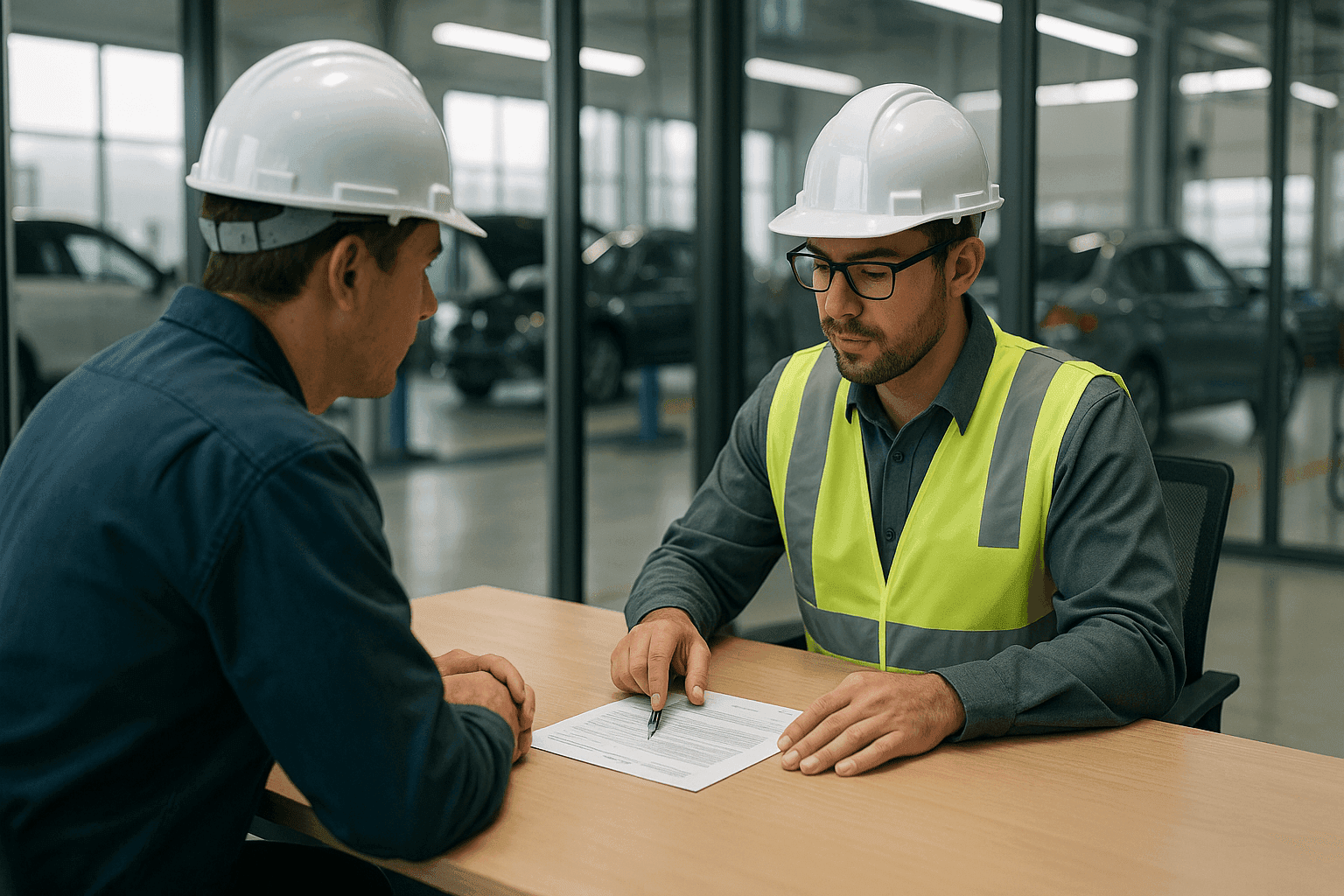
Accidents happen. Or maybe it’s a creeping patch of rust, or a mystery dent that seems to grow overnight. When your car needs help, finding the right auto_body shop can feel overwhelming. One wrong decision and you might end up with more headaches, wasted money, or repairs that don’t last.
At Moe Allen Autobody, we know how much your car means to you—your safety, your investment, your peace of mind. Here’s a straightforward guide to help you ask the right questions, spot red flags, and find a shop that puts you first.
Why Shop Selection Matters
Think of your car as a puzzle. Every piece—frame, fenders, paint, brakes—fits together for safety and performance. If one piece isn’t right, the whole puzzle is at risk. That’s why the shop you choose for rust repair, collision work, or even a minor dent removal matters. Good work lasts and keeps you safe. Poor work? It’s like patching a dam with chewing gum.
Choosing a qualified auto_body shop isn’t just about appearances. It’s about keeping your car road-ready, your family safe, and your wallet protected from repeat repairs. 🚗
Must-Ask Questions
Walking into a body shop can feel like stepping into a maze. Here’s your compass—questions every car owner should ask before agreeing to repairs:
- Are your technicians certified?
- Look for I-CAR, ASE, or manufacturer certifications. This means the staff are trained to current safety and repair standards (see National Institute for Automotive Service Excellence for more info).
- What type of parts will you use?
- Will the shop use original equipment manufacturer (OEM) parts, aftermarket, or recycled? OEM parts usually fit best and meet safety specs.
- Do you provide a written estimate?
- A detailed, itemized estimate helps avoid surprises. If they hesitate, that’s a red flag.
- Is there a warranty on repairs?
- Ask what’s covered and for how long. Quality shops stand by their work.
- How do you handle insurance claims?
- A reputable shop will help you navigate claims, not push you toward unnecessary repairs.
- Can I see recent customer reviews or testimonials?
- Real feedback from other car owners is gold.
- What’s the expected repair timeline?
- Clear communication here avoids frustration later.
Bonus Tips
- Walk around the shop. Is it organized? Are repairs underway or do cars seem abandoned?
- Ask if you can see before-and-after photos of similar work—especially for services like paintless dent repair, rust repair, or hail damage repair.
Spotting Quality Work
Quality repairs aren’t just about shiny paint. They’re about safety, fit, and function. Here’s how to spot a shop that takes pride in its craft:
- Clean, even paint lines—no drips, overspray, or mismatched colors.
- Panels line up—gaps should be even; doors and hoods should close smoothly.
- No strange rattles or warning lights after repairs.
- Glass replacement fits like factory, with no leaks.
- Panel replacements and alignments restore the car’s original shape and structure.
If possible, request to inspect your car before final payment. Don’t be shy—ask questions about anything that looks or feels “off.”
Understanding Estimates
Not all estimates are created equal. Some might be suspiciously low, skipping over steps or using cheap parts. Others balloon with vague fees.
What to look for:
- Itemized breakdown—labor, parts, paint, materials, taxes.
- Clear explanation of what’s necessary versus optional.
- Timeline for completion—honest shops will explain what might cause delays (like waiting on parts).
- No pressure to sign right away—take your time to compare.
Remember: The lowest price isn’t always the best value. Quality parts and skilled labor cost more upfront, but can save you from costly do-overs.
Avoiding Common Pitfalls
Every industry has its share of shortcuts and shady practices. Here’s how to steer clear:
- Beware of vague promises. If a shop won’t explain their process, walk away.
- Avoid shops that push unnecessary repairs. If you came in for scratch and chip repair, be wary if you’re suddenly told you need full panel replacement.
- Don’t skip the paperwork. Insist on a written estimate, and keep all receipts and warranty info.
- Beware of shops that can’t show certifications. This matters for everything from frame straightening to brake repair.
One more thing—if something feels off, trust your gut. There are plenty of reputable auto_body shops near you.
Technician Training & Safety Standards
A skilled technician is like a seasoned chef—training makes all the difference. The best shops require up-to-date training on everything from airbag systems to advanced painting and refinishing.
Look for:
- I-CAR Gold Class or ASE Blue Seal credentials
- Ongoing staff education on new vehicle technology
- Adherence to manufacturer guidelines and safety codes (see National Highway Traffic Safety Administration for guidelines)
Comparing Shops: Apples to Apples
It’s tempting to pick the closest shop, but take a little time to compare:
- Read customer reviews—look for consistent feedback about quality, honesty, and timeliness.
- Visit in person—does the shop look professional? Is the staff friendly and willing to answer your questions?
- Ask about repair timelines—a good shop is honest about how long rust repair, frame straightening, or a custom paint job will take.
- Check for insurance claims experience if you’re filing a claim.
Understanding Parts Quality
Not all parts are equal. Here’s a quick rundown:
- OEM (Original Equipment Manufacturer): Designed for your exact make and model. Often best for safety and fit.
- Aftermarket: Made by third parties. Can be good, but quality varies.
- Recycled/Salvage: Sometimes a cost-effective choice for older vehicles, but ask about condition and warranty.
Ask your shop which they recommend for your repair, and why.
Transparency: The Heart of Trust
A trustworthy shop explains everything. They answer your questions. They show you what needs to be fixed and why. They invite you to see the repairs before you pay. If a shop is secretive, pushy, or can’t answer your questions, find a better fit.
Red Flags to Watch For 🚩
- No written estimate or warranty
- Refusal to show certifications
- Pressure to “act now” or pay cash up front
- Vague about parts, paint, or process
- Missing or suspicious online reviews
Real-World Scenarios
Let’s say you need hail damage repair after a summer storm. One shop offers a “quick fix” for less than half the price of others. But they won’t explain their process or show you before-and-after photos. Another shop walks you through their repair steps, shows certifications, and provides a written estimate. Which would you trust?
Or maybe you need rust repair near you. Ask how they treat the rust—are they cutting out the damage, or just painting over it? A quality shop will explain their process, and may even reference guidelines from sources like the Society of Collision Repair Specialists.
Frequently Asked Questions
How long do typical repairs take?
It varies. Paintless dent repair or scratch touch-ups can be done in a day. Collision or frame repairs might take a week or more, depending on parts availability and damage.
Will my insurance cover the repair?
Most insurance covers collision and comprehensive repairs, but check your policy. A reputable shop helps with the paperwork and explains your options.
Can I choose my own body shop, or do I have to use one my insurer suggests?
You have the right to choose any licensed auto_body shop, even if your insurance company recommends another.
What if I notice problems after repairs?
Contact your shop right away. Reputable shops will inspect and address issues covered by their warranty.
Seasonal & Local Considerations
Arizona sun can fade paint and dry out seals. Winter brings road salt and rust. After hail, local shops may get busy—plan ahead if you need hail damage repair or glass replacement.
If you’re searching for “rust repair near you” in a place with harsh winters, ask how the shop prevents future rust and what products they use.
Final Thoughts
Choosing the right auto_body shop is more than checking a box. It’s about asking questions, trusting your instincts, and making sure your car—and everyone in it—stays safe mile after mile.
Call Moe Allen Autobody now — or reach us anytime at 855-552-8541 .