Auto Body Painting and Refinishing: What to Expect and How to Maintain the Finish
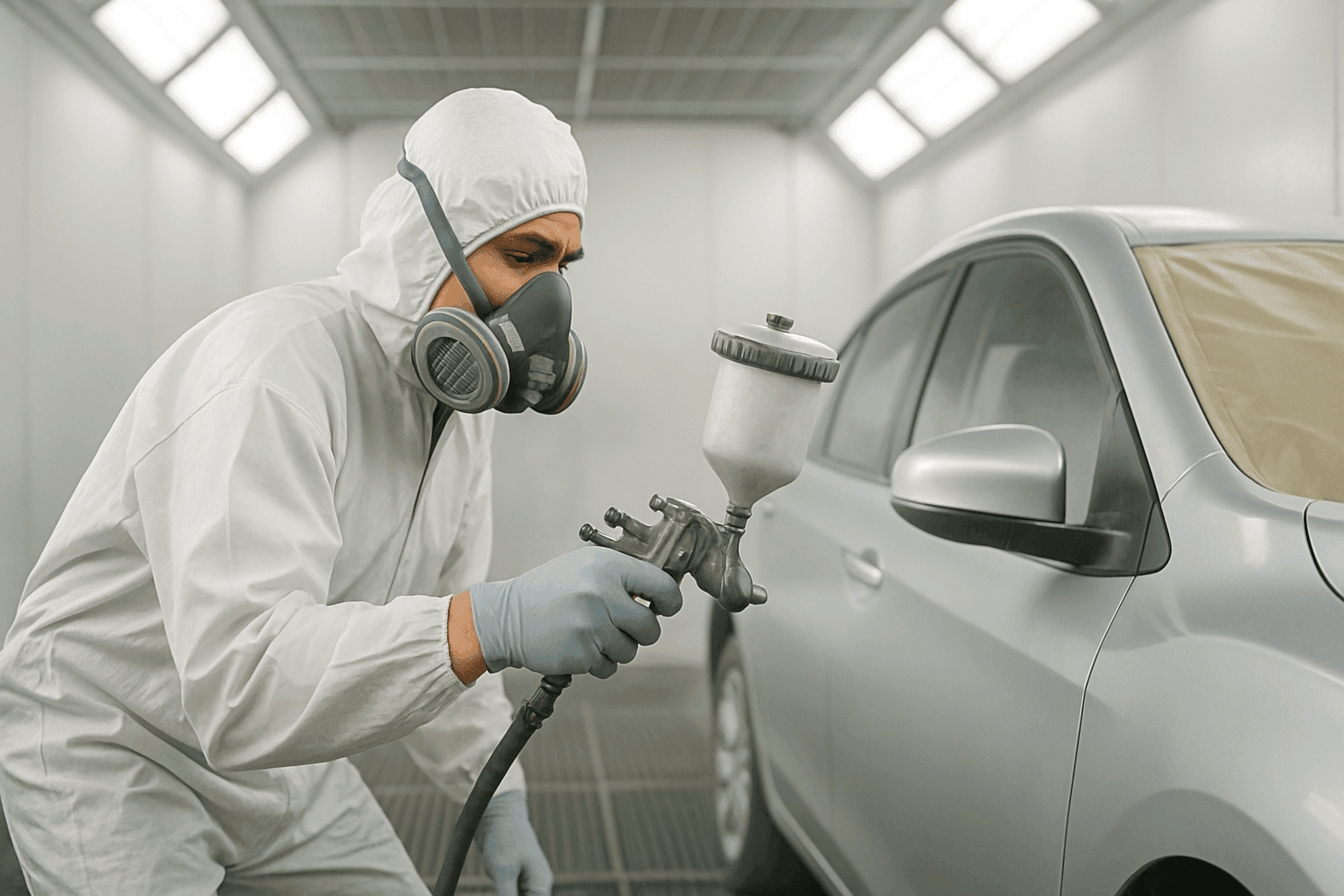
When your vehicle needs auto body painting or refinishing, it can feel a bit like sending your car to the doctor: necessary, important, but also a little nerve-wracking. At Moe Allen Autobody, we understand how much your car means to you—whether it’s your daily commuter, weekend cruiser, or family hauler.
A flawless paint job does more than make a car look good. It protects your investment, shields against future rust, and keeps your ride feeling new. So, what should you expect when your car goes in for painting and refinishing? And how do you keep that fresh finish looking its best? Let’s walk through the process and answer the questions you didn’t even know you had.
Understanding the Painting Process 🎨
Auto body painting isn’t just about spraying color onto metal. It’s a careful, multi-stage procedure—a bit like baking a cake, where each step affects the final result. Here’s how it usually unfolds at a professional auto_body shop:
- Assessment: We inspect for dents, scratches, rust, or old paint that needs removal.
- Surface Preparation: Damaged panels are sanded, cleaned, and primed. This is the foundation—skip it, and the rest crumbles.
- Masking: Everything that shouldn’t be painted—windows, trim, tires—is masked off.
- Color Application: Layers of color coat are applied in a controlled environment to avoid dust and blemishes.
- Clear Coat: A glossy, protective clear coat locks in the color and adds depth.
- Curing: The finish is allowed to harden, often with heat lamps or specialized booths.
- Polishing: Final polish removes tiny imperfections and brings out the shine.
Each step builds on the last. Rushing or skipping any phase can lead to bubbling, peeling, or early fading.
Choosing the Right Paint
The paint you choose matters—a lot. Not just for looks, but for longevity and protection. Most vehicles today use waterborne or solvent-based basecoats, topped with a clear coat. Here’s what to consider:
- Color Match: Professional shops use computerized color-matching to blend new paint with your car’s original finish.
- Durability: Factory-grade paints resist chips, fading, and UV damage.
- Eco-Friendliness: Waterborne paints are less toxic, which helps the environment and keeps the shop safer for technicians.
When you’re searching for “Rust Repair near you” or a new paint job, make sure the shop uses materials that meet or exceed local regulations. The National Institute for Automotive Service Excellence (ASE) and the Environmental Protection Agency (EPA) both set important standards for auto_body paints and refinishing.
What to Expect During Refinishing
Let’s be honest: refinishing takes time. It’s not a drive-thru experience. Here’s a typical timeline:
- Drop-off and Assessment: Technicians check for hidden damage, corrosion, or previous repairs.
- Disassembly: Trim, bumpers, or panels may be removed for better access.
- Repairs: Dents filled, rust removed, surface smoothed.
- Paint Prep: Priming, sanding, and taping.
- Painting: Multiple coats, each allowed to set.
- Curing: Paint needs time to fully harden—usually 24-48 hours.
- Reassembly: Trim and parts are reinstalled.
- Detailing: The final shine, inside and out.
You’ll get updates along the way. If repair parts or insurance approvals are needed, that can stretch the timeline. But quality takes patience, and patience means a longer-lasting finish.
Protecting Your Paint Finish
That new finish is an investment. Here’s how to keep it looking sharp:
- Wait to Wash: For the first 2 weeks, skip commercial car washes. Hand-wash gently with mild soap.
- Avoid Waxing: Wait at least 60 days before waxing. The paint needs to breathe and cure fully.
- Keep It Clean: Bird droppings, tree sap, and road salt are paint’s enemies. Rinse them off quickly.
- Park Smart: Whenever possible, choose shade or covered parking to minimize UV exposure.
- Seasonal Strategies: In winter, rinse off road salt weekly. In summer, use a UV-resistant wax after the paint has cured.
Think of your car’s finish like a shield. The better you care for it, the longer it protects your vehicle’s value and curb appeal.
Common Paint Issues and How to Handle Them
Even the best finishes can run into trouble. Here are a few issues—and what to do:
- Chips & Scratches: Small chips? Touch-up paint can help. Deep scratches or dents? Paintless dent repair or professional auto_body services may be needed.
- Fading: Usually from sun exposure. Regular waxing and parking in the shade help.
- Peeling or Bubbling: This can signal poor prep or moisture trapped under the paint. It’s a job for the pros.
- Rust: Address even small spots quickly. Rust spreads fast and can eat through metal if ignored.
If you notice changes in your car’s finish—peeling, bubbling, color mismatch—schedule an inspection. It’s easier to fix small problems than big ones.
Quick Safety Checklist
Before you pick up your freshly painted car:
- Check that all lights, mirrors, and trim are reinstalled
- Inspect the paint in natural light for color match and finish
- Ask about recommended curing and care timelines
- Keep doors and windows closed for the first 24 hours to avoid dust inside the cabin
DIY vs. Call a Pro
Touch-up kits have their place. But for anything bigger than a pencil eraser, professional equipment and experience make a huge difference.
- DIY is fine for: Tiny chips, minor scratches (with color-matched paint).
- Call a pro for: Dents, blending, rust repair, or if you want the finish to look seamless and last.
Pros have the right spray booths, color-matching tools, and safety gear to get the job done to industry standards.
What Pros Do On Arrival
When you bring your car to Moe Allen Autobody, here’s what happens:
- Inspection: We walk the vehicle with you, noting damage and discussing your expectations.
- Estimate: You’ll get a clear breakdown of repairs, materials, and time.
- Insurance Coordination: If it’s an insurance claim, we’ll help manage the process.
- Prep & Repair: Our technicians follow strict procedures, using manufacturer-recommended techniques and products.
- Quality Control: Each job is checked—panel by panel—for consistency and quality before you get the keys back.
Prevention & Maintenance
A little care goes a long way. Here’s what we recommend for every season:
- Spring: Clean off winter salt, check for new chips or scratches.
- Summer: Apply UV-protectant wax, park in the shade when possible.
- Fall: Remove leaf debris, which can stain paint.
- Winter: Rinse undercarriage often to minimize salt buildup.
Regular detailing and inspection—especially after hail, roadwork, or minor scrapes—can save you money in the long run. If you’re searching for “Rust Repair near you,” don’t wait. Early intervention is key.
Costs & Time Factors
How much does auto body painting or refinishing cost? It depends:
- Extent of Damage: A small scratch costs less than a full panel respray.
- Paint Type & Color: Specialty or metallic paints cost more.
- Labor: Complex jobs—like blending or multi-stage colors—take more time.
- Parts Needed: Replacing panels, bumpers, or glass adds to the total.
Most jobs take 2–5 days, but hail damage, rust repair, or custom paint jobs can extend that. Quality always takes priority over speed.
When It’s an Emergency
Some paint and body issues are urgent:
- Exposed Bare Metal: Can rust within days—needs prompt attention.
- Shattered Glass: Compromises safety and weatherproofing.
- Major Collision Damage: May affect the structure or drivability.
If you’re not sure, call Moe Allen Autobody for advice. We’ll help you decide what needs fixing now, and what can wait.
FAQ
How soon can I wash my car after painting?
Wait at least two weeks before the first wash, and use mild soap with a soft sponge.
What if the color doesn’t match exactly?
We use computerized color-matching for seamless results, but slight variations can occur due to age or sun exposure.
Will my insurance cover paint and refinishing?
If damage is from an accident or covered event, most comprehensive policies include paint repairs. We’ll help you with the paperwork.
Can you fix hail damage without repainting?
If the paint isn’t cracked, paintless dent repair is possible. We’ll always recommend the most effective method.
Local and Seasonal Considerations
Every region brings its own challenges for your car’s finish. In areas with heavy winter road salt, rust repair and proactive washing are essential. For sunny climates, UV rays can fade paint fast—regular waxing and parking in the shade make a difference. After hailstorms or sandstorms, inspect for chips or cracks. No matter where you live, a little attention after each season keeps your finish protected year-round.
—
Ready to restore your vehicle’s finish—or keep it looking new for years to come? Call Moe Allen Autobody now — or reach us anytime at 855-552-8541 .